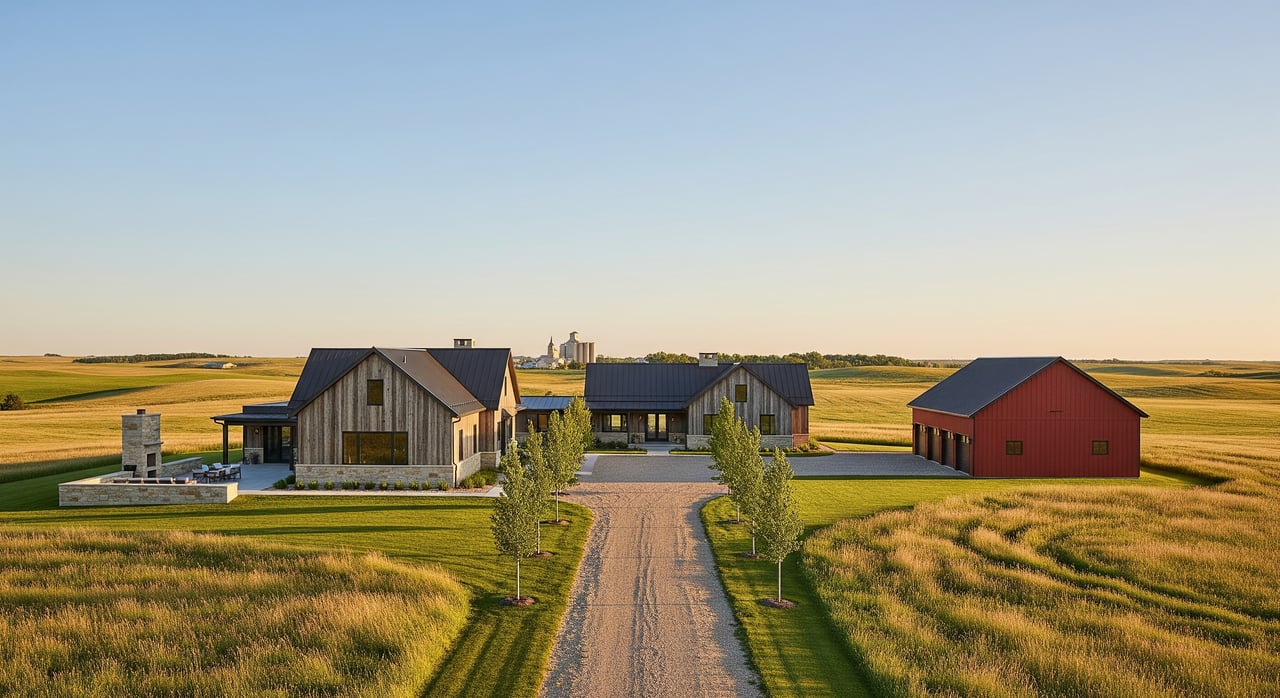
Thinking about a few peaceful acres outside Wolsey or a home in town close to everyday essentials? You are not alone. Many buyers in 57384 weigh extra space and privacy against convenience and simpler upkeep. In this guide, you will learn the key trade-offs for utilities, maintenance, financing, daily life, and resale, plus a simple checklist to help you choose with confidence. Let’s dive in.
In-town living around Wolsey
Utilities and services
In-town homes are more likely to have municipal water and sewer, curbside trash, and town street maintenance. Emergency response times are often shorter inside town limits. Permits for small projects can be straightforward. If you plan renovations, confirm utility connections and any local approvals with the town office early.
Maintenance and time
Yards are usually smaller and easier to maintain. Municipal snow removal helps keep streets passable. You will likely need less equipment and fewer seasonal supplies. Overall, routine upkeep is simpler and takes less time.
Zoning and use
Town zoning is typically more restrictive about animals, business uses, and outbuilding size. Small accessory structures may be allowed with permits. Always review local ordinances before you plan sheds, fencing, or hobby uses.
Acreage living near Wolsey
Utilities and connectivity
Acreage properties often rely on a private well and septic system, plus propane or LP for heat. Driveway and private road upkeep, including plowing, is usually your responsibility. Electricity may come from a rural co‑op, and power restoration can take longer after storms. Broadband and cell service can vary by location, so it is smart to check broadband availability at your address and test coverage on site.
Maintenance and equipment
Expect regular mowing, fence repairs, and upkeep of outbuildings. Long drives may need grading and winter plowing. Many acreage owners invest in equipment like a tractor, zero-turn mower, or trailers. Budget time and money for fuel, storage, and seasonal tasks.
Zoning and flexibility
County zoning may allow livestock, accessory buildings, and some agricultural or small business uses, with rules on setbacks and permits. Always verify permitted uses, environmental limits, and any covenants or easements before you buy. If you want animals or large shops, confirm the details with Beadle County Planning and Zoning.
Financing, taxes, and insurance basics
Financing for in-town homes is usually straightforward with conventional or FHA loans. Acreage can be more complex. Lenders will look at usable acreage, utilities, comparable sales, and any manufactured structures or significant outbuildings. You may qualify for USDA Rural Development programs if the property and your household meet eligibility criteria.
Property tax treatment can differ if land is classified as agricultural versus residential. Ask the Beadle County Assessor about current classification and whether it may change after closing. For background, see South Dakota property tax classifications.
Insurance needs often expand with acreage. Outbuildings, livestock, or hobby operations can require extra liability or specialty coverage. Get quotes early so you understand premiums for rural properties compared to in-town homes.
Daily life, commuting, and amenities
Acreage living usually means longer drives for work, groceries, health care, and activities. Winter road conditions can stretch real commute times beyond what the map suggests. In-town homes offer quicker access to services and activities. Whatever you choose, test actual drive times during your normal routine.
Resale and buyer pool in Beadle County
Acreage homes tend to attract a narrower buyer pool that values rural lifestyle, space, and privacy. In cooler markets, they may take longer to sell. In-town homes reach a broader set of buyers, including first-time purchasers, upsizers, and downsizers, which can support faster turnover. Review recent MLS sales nearby for realistic expectations on time to sell and pricing.
Due diligence checklist
Use this list to compare specific properties around Wolsey.
Property and site inspections
- Well: confirm flow rate, water quality testing, and pump age.
- Septic: verify permits, tank condition, last pumped date, and perc test if expanding. Review state septic guidance.
- Structures: standard home inspection; check outbuildings and foundations on older rural sites.
- Survey and boundaries: verify acreage, fences, and easements.
- Soil and drainage: look for seasonal standing water and wetlands limits.
- Flood risk: review the FEMA Flood Map Service Center.
Legal and title items
- Easements and rights-of-way for utilities and shared drives.
- Mineral rights: confirm what conveys with the sale.
- Zoning and covenants: know the rules for animals, shops, and business uses.
- Agricultural use classification: understand current status and whether it transfers.
Utilities and service availability
- Confirm electric provider, fuel type, and garbage options.
- Verify broadband and cell coverage; run a speed test on site.
- Ask how road maintenance and snow removal are handled.
Safety and services
- Ask about EMS, fire, and police response coverage for the address.
- Confirm school transportation availability for the property.
Quick decision guide
- Choose acreage if you want privacy, outdoor space, potential for animals or big shops, and you are ready for higher maintenance and utility variability.
- Choose in-town if you want convenience, lower routine upkeep, easier financing and resale, and you do not need as much land.
How Elevate Real Estate helps
You deserve clear, local guidance tailored to how you live. As a boutique, owner-led brokerage rooted in Huron and Beadle County, we help you weigh real drive times, utility realities, lender requirements, and resale trends for both in-town and acreage homes. We coordinate the right inspectors, connect you with responsive local lenders and insurance pros, and make sure you understand zoning and use before you commit. Most of all, we guide you step by step so your choice fits your lifestyle and budget.
Ready to compare specific properties around Wolsey and 57384? Connect with Elevate Real Estate to walk through your options and move forward with confidence.
FAQs
What utilities differ between acreage and town near Wolsey?
- In-town homes often have municipal water/sewer and town-maintained streets, while acreage properties commonly use private well and septic, propane or LP, and owner-maintained drives.
How do USDA loans work for rural Beadle County homes?
- USDA Rural Development offers income- and location-based options for qualifying buyers; start with USDA single-family programs and confirm property eligibility and your qualifications.
What inspections are critical for acreage properties around Wolsey?
- Prioritize well flow and water quality testing, septic inspections with records, boundary and easement review, and outbuilding condition, plus a standard home inspection.
How do South Dakota property taxes differ for ag vs. residential land?
- Classification can affect assessment and taxes; confirm status with the county assessor and review South Dakota property tax classifications.
How can I check flood risk for a property near Wolsey?
- Search the address at the FEMA Flood Map Service Center and review local drainage conditions during wet seasons.
How can I verify internet options for a rural address in 57384?
- Enter the address on the FCC National Broadband Map and run on-site speed tests to confirm real-world performance.