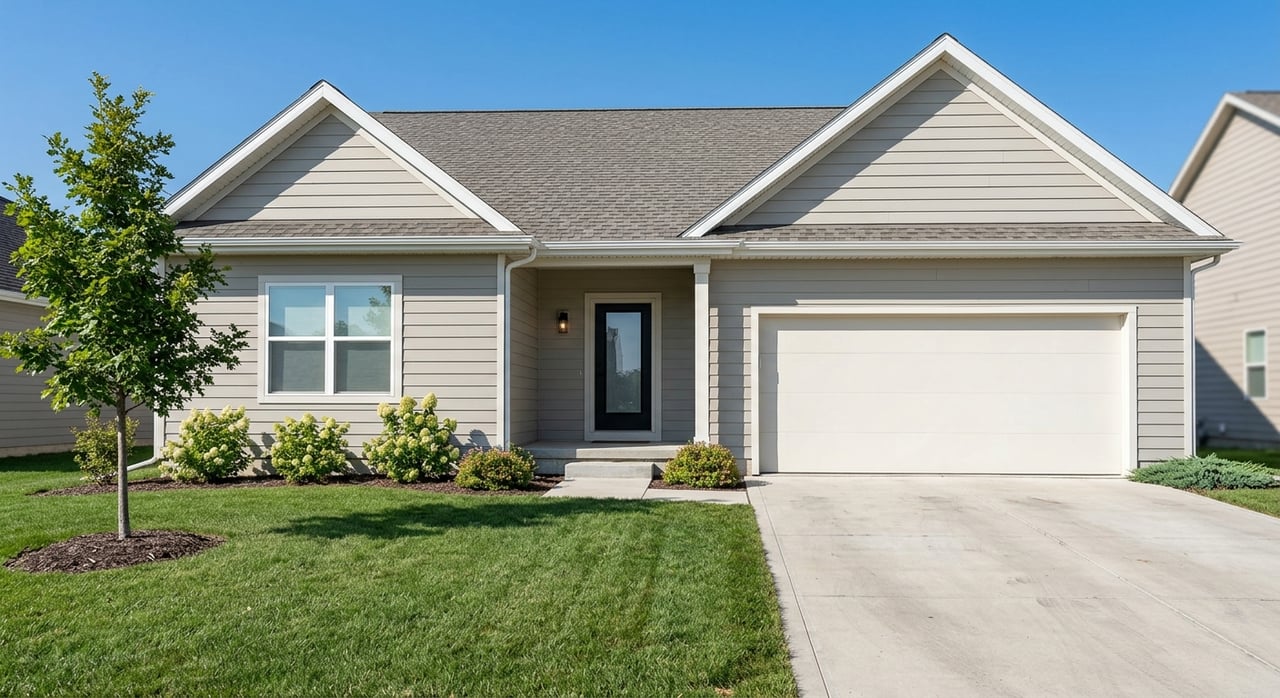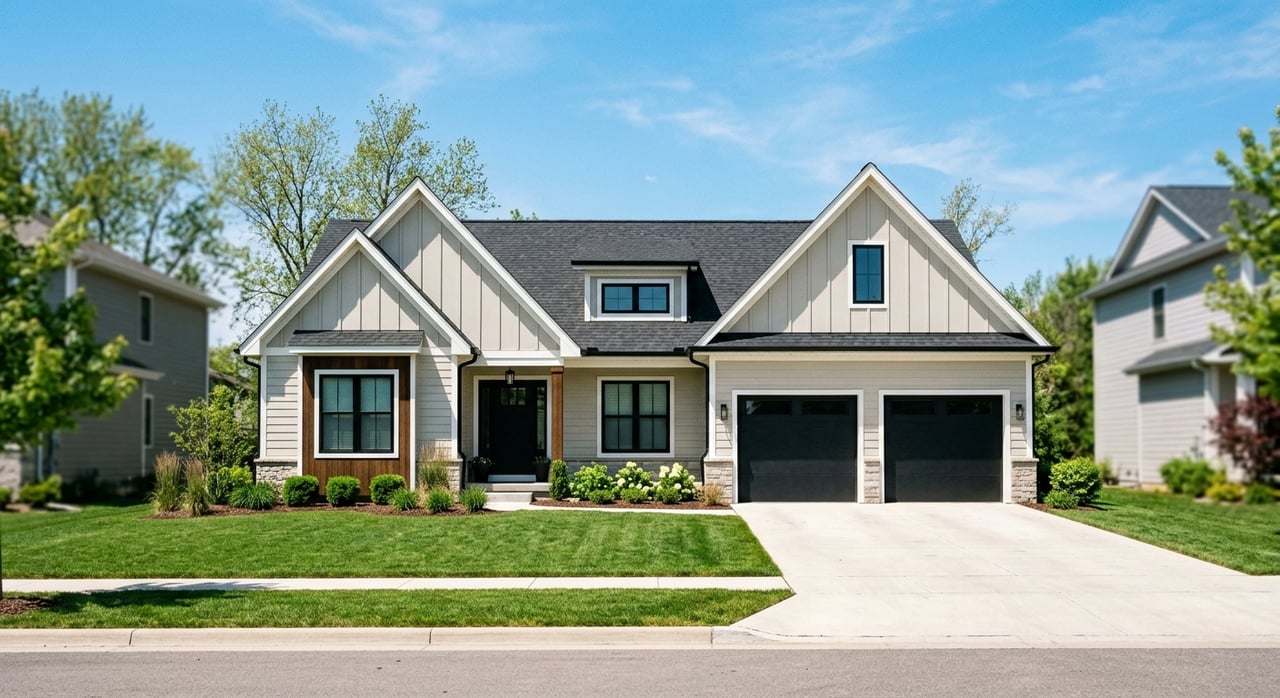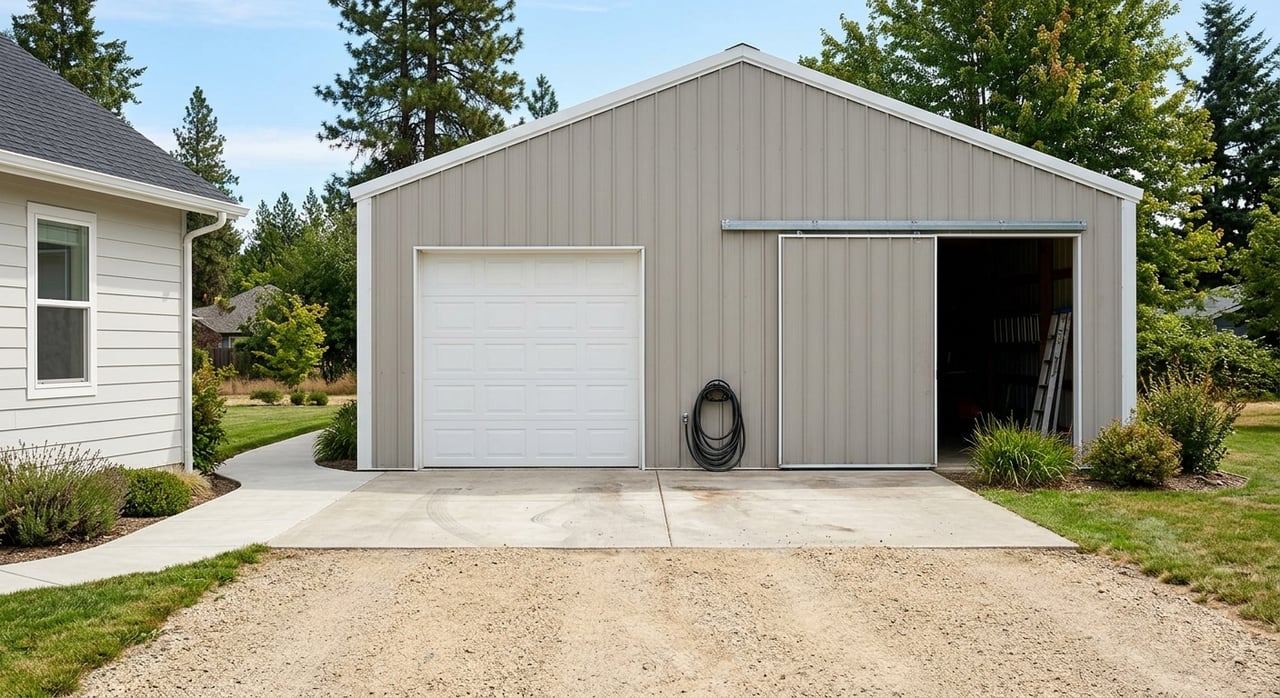
Selling an acreage near Wolsey is not the same as selling an in-town home. Buyers usually look beyond the house and focus on how the whole property works, from access and boundaries to outbuildings, well and septic details, and the overall layout of the land. If you want a smoother sale and stronger buyer confidence, a little preparation up front can make a big difference. Let’s dive in.
Why acreage prep matters near Wolsey
In Beadle County, land use matters because this is a strongly agricultural area. The USDA’s 2022 Census of Agriculture counted 673 farms and more than 669,000 acres in farms in the county, with an average farm size of 995 acres. That local context shapes buyer expectations for smaller acreages and hobby farms near Wolsey.
When buyers look at country property, they often judge more than curb appeal. They want to understand usability, access, the condition of sheds or barns, and whether the property feels well cared for and easy to manage. That means your prep plan should cover the land and improvements, not just the living room and kitchen.
Start with property facts
Before photos, showings, or pricing, make sure your basic property information is accurate. Rural buyers often ask detailed questions early, and clear answers help your property feel more trustworthy from the start.
Confirm parcel details
Beadle County’s assessor assigns each parcel a unique parcel ID and defines parcel boundaries by ownership. That makes it important to check that your legal description, parcel map, and the way the property looks on the ground all line up.
If fences, driveways, or field edges do not clearly match what a buyer might assume, address that early. Confusion about where the property begins and ends can slow down interest and lead to extra questions during due diligence.
Review county GIS information
Beadle County’s GIS and MapNet tools can help confirm key details before you list. These layers include parcels, roads, city boundary lines, zoning, flood zone information, soils, and recent parcel sales.
This is especially helpful if your acreage has unique features like a creek area, irregular lot lines, multiple access points, or open ground that buyers may want to understand better. Reviewing these details early can also help shape better marketing photos and a more accurate price strategy.
Check classification and access issues
Beadle County’s Equalization Office values agricultural land on productivity value, while other real property is valued on full and true market value. South Dakota also ties agricultural classification to primary agricultural use plus acreage or income tests.
For smaller acreages near Wolsey, it is smart to verify how the parcel is currently classified before discussing taxes or land use with buyers. Accessibility, terrain, and surface conditions can also affect how land is evaluated, so those practical details should be understood and explained clearly.
Watch for Wolsey-area jurisdiction issues
If your property sits close to town, do not assume only one set of local rules applies. The Town of Wolsey ordinance states that property within 1.5 miles of the town’s corporate limits falls under joint jurisdiction with Beadle County.
That means fringe properties may need extra attention when reviewing improvements, land use, or permits. Beadle County Planning and Zoning handles building permits, 911 addresses, plats, conditional use permits, and variances, so it is wise to confirm whether county and town oversight overlap before your listing goes live.
Gather the documents buyers ask for
Acreage buyers usually want more paperwork than buyers of a standard in-town home. Having a document packet ready can save time, reduce stress, and show that you have taken the sale seriously.
Build a simple seller packet
Try to gather these items before listing:
- Current deed
- Survey or plat, if available
- Easement documents
- Private road maintenance agreement, if one exists
- Well test results
- Septic service or pump records
- Permit records for additions, barns, sheds, or other work
- A list of items that will remain with the property
The South Dakota seller disclosure form asks about many of these topics directly. Having them ready makes it easier to complete disclosures accurately and answer buyer questions quickly.
Pull recorded property documents
The Beadle County Register of Deeds records deeds, mortgages, easements, and other property-affecting instruments. If your acreage has a shared driveway, access easement, or other recorded restriction, buyers will want to know about it.
This is one reason rural listings benefit from better upfront organization. The more clearly you can explain acreage, access, and any limitations on use, the easier it is for buyers to picture moving forward.
Focus on well, septic, and utility confidence
Country properties often come with private systems that need a little more explanation. Buyers do not necessarily expect everything to be brand new, but they do want clarity.
Be ready to discuss water
The South Dakota seller disclosure form asks whether water is public or private, along with the date and result of the last water test. If your acreage is served by a private well, this is one of the first details buyers may ask about.
South Dakota DANR says new domestic wells must be tested for bacteria and selected chemicals. Even when your well is not new, having recent information available can help buyers feel more comfortable about the property.
Organize septic records
The disclosure form also asks whether sewer service is public or private and when the septic tank was last pumped. For many acreage buyers, this is basic but important information.
If you have service records, keep them handy. A missing septic history does not always stop a sale, but clear records can make the property easier to evaluate and can help avoid last-minute delays.
Address abandoned wells or other concerns
South Dakota DANR says property owners are responsible for plugging abandoned wells on their property. If your acreage has an old well that is no longer in use, that should be addressed before marketing if possible.
The same goes for fuel tanks, chemical storage, or other conditions that a buyer may see as a risk. The seller disclosure form specifically asks about buried fuel tanks, chemical storage tanks, and hazardous conditions, so it is best to deal with those issues early.
Make the land easy to understand
One of the biggest mistakes acreage sellers make is assuming buyers will just “get it” when they arrive. In reality, the more obvious the property’s function is, the better your showing experience usually goes.
Improve first impressions outside
Low-cost updates often matter a lot on acreage properties. Repairing gates and fencing, adding fresh gravel where needed, improving drainage near the home, and making outbuilding doors open and close properly can all improve how the property feels.
These items are practical, but they also signal care and maintenance. On a rural property, buyers often read these small details as clues about how the rest of the acreage has been handled.
Define access and usable space
Mow around the house, clean up the drive approach, and make parking and turnaround areas easy to spot. If the driveway has a clear start and end point, buyers are less likely to feel uncertain while touring the property.
If you have multiple outbuildings, pasture edges, or utility areas, make those spaces readable. Buyers should not have to guess how the property functions.
Clean and organize outbuildings
Barns, sheds, garages, and utility spaces deserve the same attention as the house. Buyers want to see usable square footage and storage potential, not just piles of tools and leftover materials.
A clean, swept-out building photographs better and feels more useful in person. That matters because better presentation helps buyers picture how they would use the property.
Use better marketing for a better story
Acreage listings often need more than standard front-door photos. The goal is to help buyers understand the full setting, layout, and utility of the property.
Prioritize strong photography
Good photos matter because they draw more buyer attention and help people decide whether to schedule a showing. On acreage, that means capturing the home, the approach, key outbuildings, and the relationship between the house and the land.
Try to have the property photo-ready before the camera arrives. Fresh mowing, visible drive lines, and organized exterior spaces can make a major difference in how the listing reads online.
Consider aerial images when useful
If your property has a long lane, multiple buildings, water features, or a layout that is hard to grasp from the ground, aerial imagery can be especially helpful. It can show lot depth, road approach, building placement, and how the site fits together.
That kind of visual clarity is often valuable near Wolsey, where buyers may be comparing several types of country properties and want to quickly understand what makes yours functional.
Prepare disclosures early
South Dakota’s seller disclosure statement is a key part of selling a rural property. It asks about easements, lot lines, surveys, encroachments, floodplain or wetlands, permits, private road maintenance agreements, water, sewer, fences, outbuildings, and other improvements.
That is why disclosure prep should not wait until the last minute. When you gather records and think through these questions before listing, you give yourself more time to fill in gaps and avoid surprises later.
The South Dakota Real Estate Commission says most residential sellers must provide this disclosure whether they sell with an agent or by owner. It is not a warranty and not a substitute for inspections, but it is still an important part of building buyer confidence.
What matters most before you list
If you are feeling overwhelmed, focus on the items that most often shape buyer confidence and timeline. A well-prepared acreage does not have to be perfect, but it should be clear, functional, and documented.
Here is a simple priority list:
- Confirm boundaries, parcel details, and access
- Check zoning or joint jurisdiction if the property is near Wolsey
- Gather deed, plat, easement, and permit records
- Organize well and septic information
- Repair obvious issues with gates, gravel, drainage, and doors
- Clean and stage outbuildings
- Prepare complete disclosure answers
- Use strong listing photos and aerials if the layout calls for them
Selling country property takes local knowledge and careful presentation. If you want help getting your acreage market-ready near Wolsey, Elevate Real Estate can help you plan the details, position the property clearly, and bring it to market with the kind of thoughtful marketing that helps buyers see its full value.
FAQs
What should you do first before selling acreage near Wolsey?
- Start by confirming parcel details, boundaries, access, and how the property is classified, then gather key documents like your deed, survey or plat, easements, and permit records.
What documents do buyers want for a Beadle County acreage?
- Buyers often want to review the deed, survey or plat, easements, road maintenance agreements, well test results, septic records, permit history, and a clear list of what improvements or personal property will stay.
What should you disclose on a rural property in South Dakota?
- South Dakota’s seller disclosure form asks about easements, boundaries, surveys, encroachments, floodplain or wetlands, permits, wells, septic systems, fences, outbuildings, driveways, and other material property conditions.
What if your Wolsey-area property is close to town limits?
- If the property is within 1.5 miles of Wolsey’s corporate limits, it may fall under joint jurisdiction with the town and Beadle County, so you should verify any zoning, permit, or land-use questions before listing.
Why do outbuildings matter when selling acreage near Wolsey?
- Buyers often evaluate acreage based on overall function, so clean, organized, and usable barns, sheds, garages, and utility spaces can improve both marketing and buyer confidence.
What well and septic information should you have ready for an acreage sale?
- You should be ready to share whether water and sewer are public or private, the date and result of the last water test, and when the septic tank was last pumped, along with any related maintenance records.