If your house feels bigger than your needs, you are not alone. In and around Wessington, many homeowners reach a point where less upkeep, fewer stairs, and a simpler day-to-day routine start to sound pretty appealing. The key is making a plan that fits this local market, your timeline, and your next chapter. Let’s dive in.
Why downsizing in Wessington takes planning
Wessington is a very small community, and that shapes how a downsizing move usually works. The town’s public water system served 170 people with 127 service connections in 2025, which gives you a sense of its small footprint.
That matters because downsizing here is not just about selling your current home. It is also about finding the right replacement property in an area where choices may be limited at any given time.
The surrounding market also moves differently than larger cities. In Beadle County, there were 30 building permits in 2024, while Hand County had just 5. Both counties also show high residential stability, which means many people stay put from year to year.
For you, that often means one thing: start earlier than you think you need to. A smaller pool of homes can make the search take longer, especially if you want a specific layout or location.
Know your local market options
One of the biggest decisions in a downsizing move is whether you want to stay in Wessington or widen your search. Because Wessington is small, many homeowners compare nearby towns before making a final decision.
Staying close to Wessington
If your goal is to remain near familiar roads, neighbors, and routines, staying close may be the right move. But in a market with limited new construction and high household stability, you may need flexibility on timing, home size, or features.
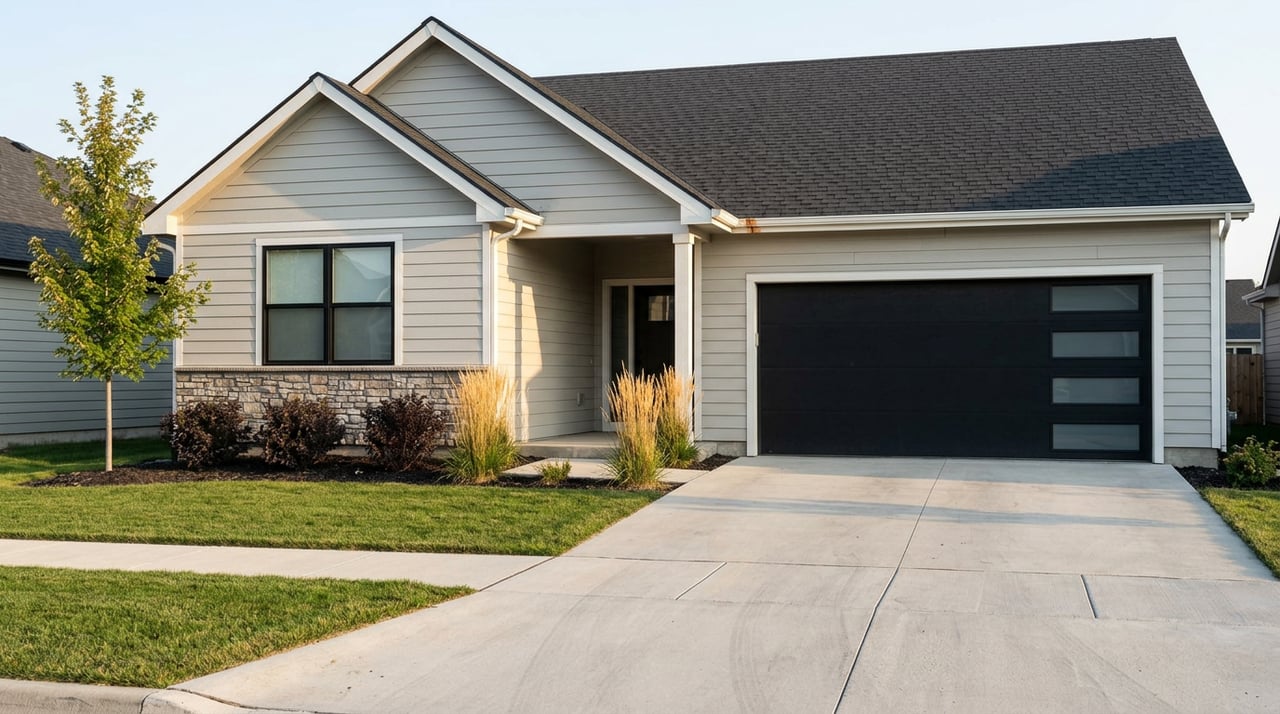
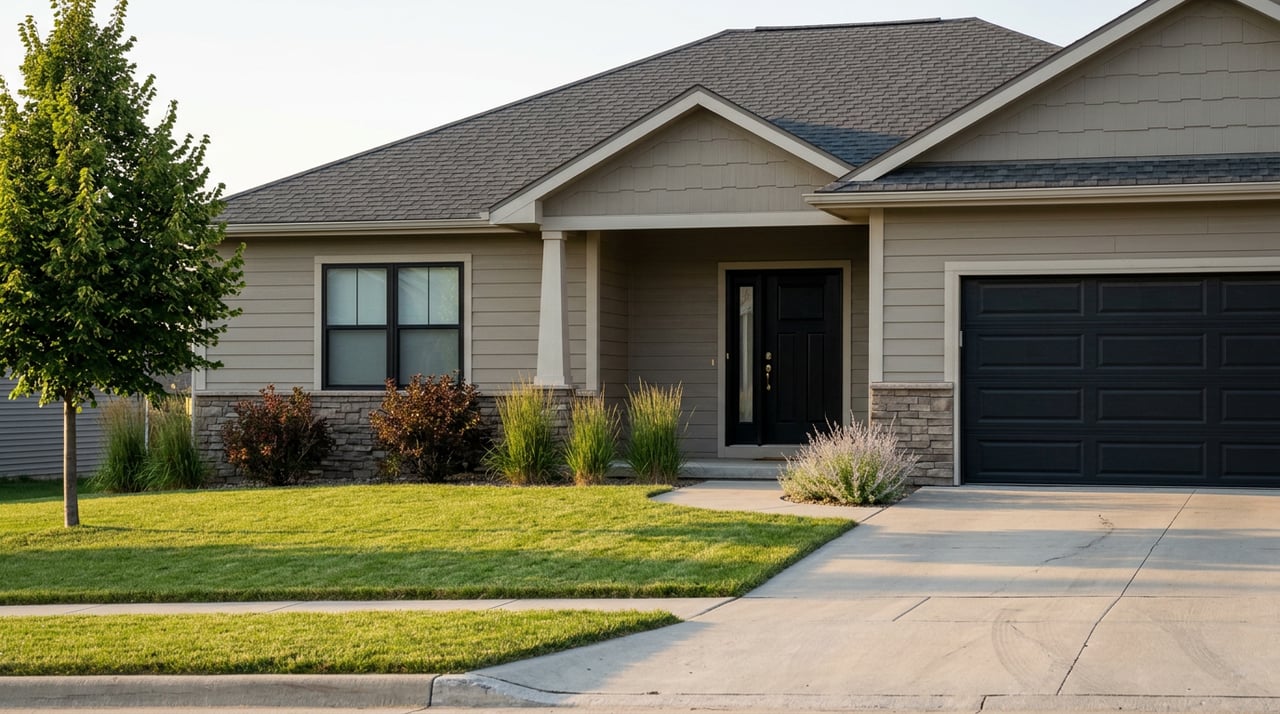
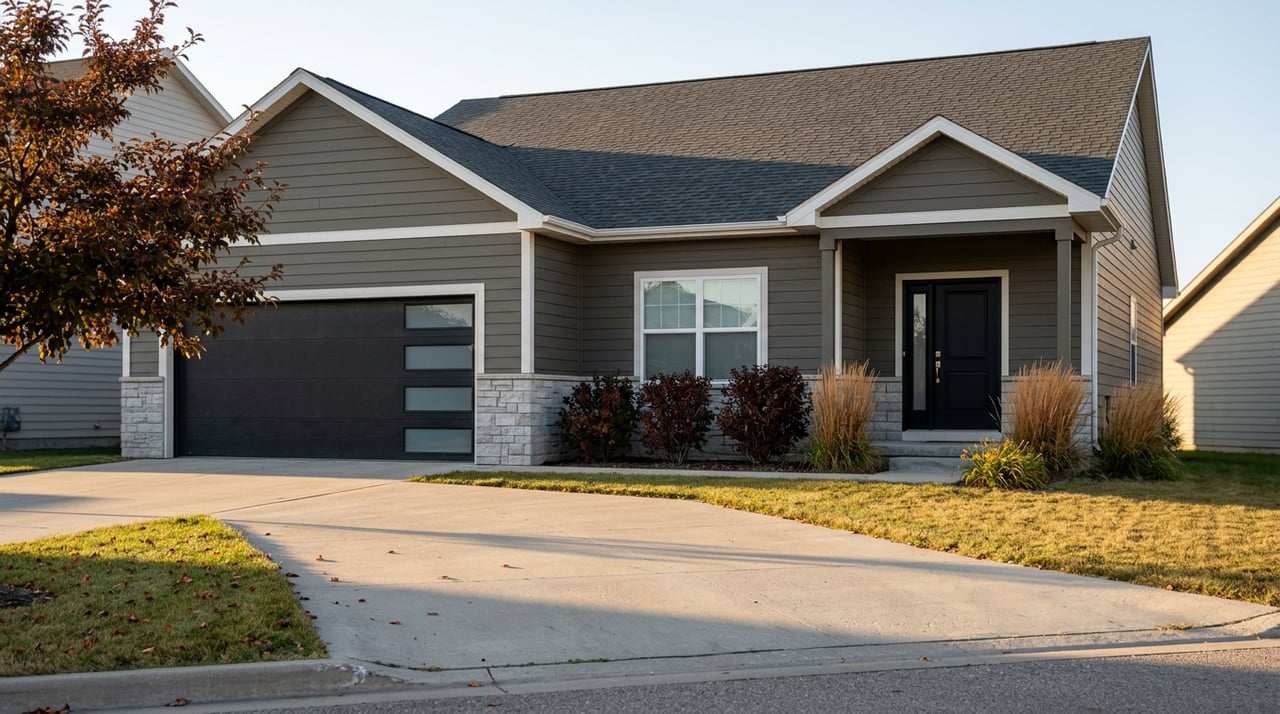
A good first step is to define what matters most. You may be willing to give up extra square footage, but not a main-floor bedroom, attached garage, or manageable yard.
Considering Wessington Springs
Wessington Springs is a logical comparison for many downsizers in this area. The community has about 1,000 residents and offers amenities such as a public library, restaurants, healthcare, schools, and senior living.
If you want less house to manage while still keeping access to everyday services, Wessington Springs may be worth a closer look. It can offer a middle ground between very small-town living and a larger regional hub.
Looking toward Huron
Huron is the broader regional service center for this part of South Dakota. Local resources there include shopping, dining, events, the public library, education, a regional airport, and Huron Regional Medical Center.
For some downsizers, Huron makes sense because it offers a wider range of services in one place. If convenience is a big part of your next move, expanding your search there may open up more options.
Decide what “right-size” really means
Downsizing does not always mean moving into the smallest home possible. It usually means choosing a property that better fits how you live now.
In Wessington and nearby towns, a practical downsizing checklist often includes:
- One-level living
- Fewer stairs
- A smaller yard
- Lower maintenance needs
- Enough storage for the items you still use and value
- Convenient access to services you rely on
- Verified internet access at the property
That last point is easy to overlook. Broadband subscriptions are common in both counties, but not universal, with 88.9% of households in Beadle County and 85.9% in Hand County reporting a broadband subscription. If internet service matters to your work, communication, or entertainment, it is smart to confirm it for each address.
Time your sale and purchase carefully
In a market like this, timing can be one of the hardest parts of a downsizing move. You may be ready to sell, but the best next home may not be available right away.
That is why sequencing matters. Before listing, it helps to talk through your likely sale timeline, your replacement home search area, and how flexible you can be if inventory is tight.
Start your search early
Because local housing supply can be narrow, early planning gives you more control. You can watch for listings, compare towns, and avoid feeling rushed into a home that does not really fit.
This is especially important if your must-have list is short but specific. A one-level home with a smaller lot and solid storage may not come up often in a very small market.
Build in room for overlap
Some downsizers benefit from planning for a little overlap between the sale of the current home and the purchase of the next one. That extra breathing room can make moving, sorting, and closing less stressful.
Even if your timeline is tight, having a clear plan helps you make better decisions. It is much easier to move confidently when you know your likely next steps before your home hits the market.
Prepare your current home for buyers
When buyers look at homes in rural markets, they often pay close attention to upkeep. Monthly owner costs in both Beadle and Hand counties are much higher for owners with a mortgage than for those without one, so buyers may notice signs of deferred maintenance, utility efficiency, and overall ease of ownership.
That means your preparation should focus on making the home feel well cared for and manageable. You do not need perfection, but you do want buyers to feel confident.
Focus on repair triage
Start with the items that affect a buyer’s first impression of maintenance. Leaky fixtures, worn caulk, damaged trim, sticking doors, and older mechanical concerns can raise questions quickly.
In a small town like Wessington, practical questions matter. Because the town’s water system is small and purchases water from Mid-Dakota Rural Water, buyers may ask about utility reliability, system upkeep, or the condition of older home systems.
Declutter with your move in mind
Downsizing gives you a built-in reason to declutter before listing. Every box you sort now is one less thing to move later.
Try to think of decluttering in categories:
- Items you use weekly
- Items you want to keep but can store
- Items to donate or give away
- Items to discard
This approach helps your home show better and makes your eventual move much simpler. It also gives you a clearer picture of how much storage your next home will need.
Make the home feel easy to maintain
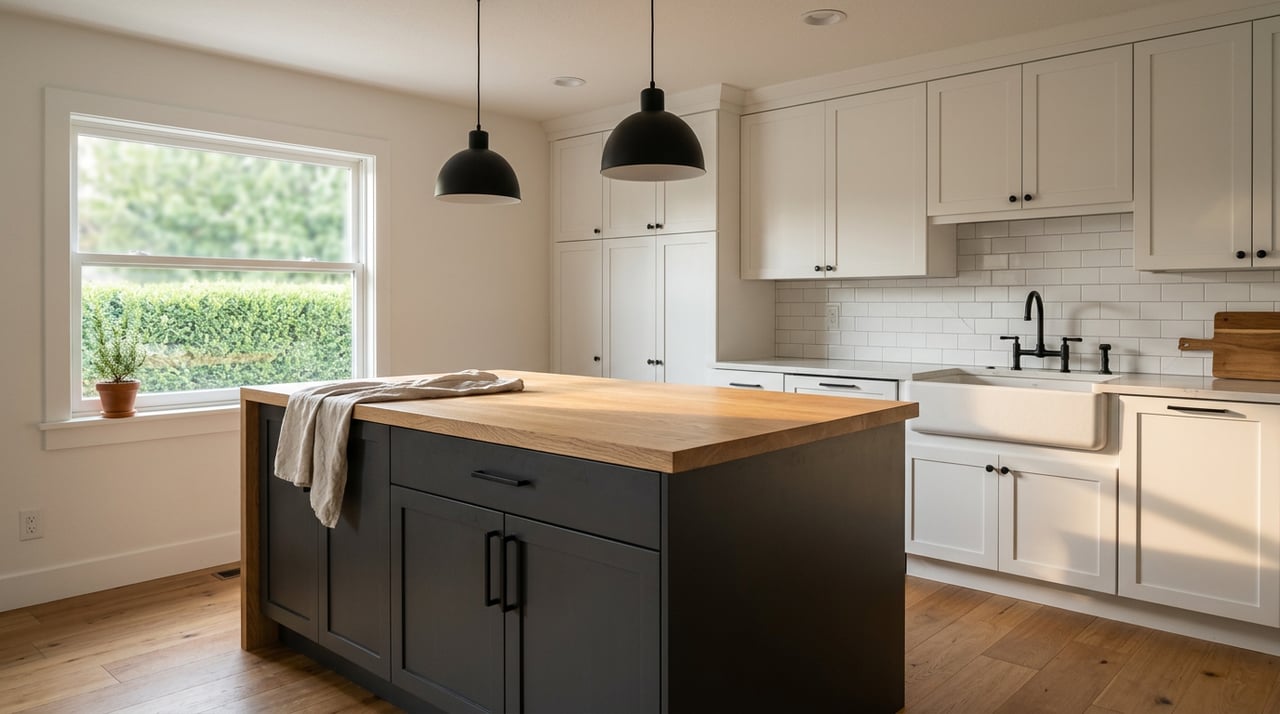
Many buyers respond well to homes that look straightforward to own. Clean spaces, simple landscaping, and visible upkeep can go a long way.
If you are choosing between projects, prioritize the ones that support a clean, cared-for appearance. In this type of market, buyers often value practicality just as much as style.
Check county details before closing steps
Wessington sits in both Beadle and Hand counties, so it is important to confirm which county office handles your parcel. That can affect how you verify tax bills, order payoff information, and coordinate details tied to closing.
This is a small step, but it can prevent confusion later. When you are downsizing, smooth logistics matter just as much as finding the right next home.
Review property-tax relief before you list
If you are an older homeowner, South Dakota property-tax relief programs may play a role in your timing and cash flow. The South Dakota Department of Revenue offers programs that include a senior and disabled tax refund program, an assessment freeze, a homestead exemption, and other relief options.
Some of these are handled through county offices on an annual schedule, while the senior and disabled refund program is handled through the Department of Revenue. If you may qualify, it is worth reviewing those details before making final move plans.
One especially important point is the homestead exemption. Because it delays property-tax payment until the property is sold, it can affect how much equity is available at closing.
That does not mean you should delay your move. It simply means you should understand the numbers clearly before you list your home and choose your next property.
Build a downsizing plan that fits your life
A successful downsizing move in Wessington is rarely just about square footage. It is about matching your home to your daily routine, your budget, and the level of convenience you want going forward.
For some homeowners, that means staying close and waiting for the right smaller home. For others, it means looking to Wessington Springs or Huron for more options and easier access to services.
Either way, the best results usually come from planning early, preparing your current home thoughtfully, and knowing what matters most in your next place. When you take that approach, downsizing can feel less overwhelming and much more purposeful.
If you are thinking about your next move in Wessington or the surrounding area, Elevate Real Estate can help you create a practical plan, prepare your home for the market, and explore the right-fit options nearby.
FAQs
What should homeowners know about downsizing in Wessington, SD?
- Wessington is a very small community, so downsizing usually takes extra planning because replacement home options may be limited and timelines can be less predictable.
Can you downsize near Wessington without moving far away?
- Yes. Many homeowners look at nearby options such as Wessington Springs or Huron when they want less maintenance but still want to stay within the region.
Why is timing important for a downsizing move in Hand County or Beadle County?
- Timing matters because both counties show high residential stability and limited new construction, which can mean a narrower selection of available homes.
What features should you prioritize in a downsizing home near Wessington?
- Many downsizers focus on one-level living, a smaller yard, manageable maintenance, enough storage, and confirmed internet access.
Should older homeowners in South Dakota review tax relief programs before downsizing?
- Yes. South Dakota offers property-tax relief programs, including an assessment freeze, homestead exemption, and senior and disabled tax refund program, and these can affect timing and cash flow.
Why do Wessington homeowners need to verify county details before selling?
- Wessington is split between Beadle and Hand counties, so confirming which county handles your parcel can help avoid issues with tax records, payoff details, and closing coordination.