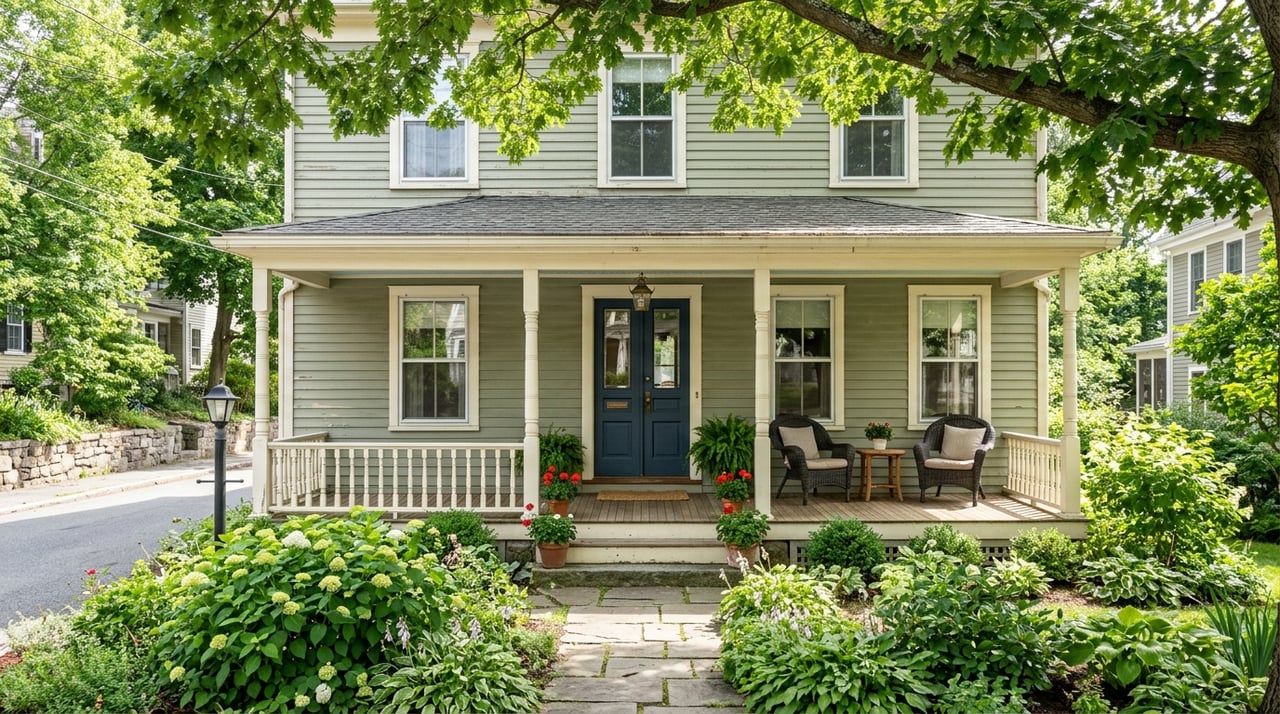
Dreaming of a home with real character instead of cookie-cutter finishes? In De Smet, that charm often shows up in modest older homes, railroad-era streets, and a downtown that still feels tied to its past. If you are curious about what makes this Kingsbury County town feel so distinctive, and what it is actually like to buy an older home here, this guide will help you look at De Smet with both appreciation and practicality. Let’s dive in.
Why De Smet Feels Historic
De Smet’s historic identity is rooted in how the town began. It was platted by the Chicago and North Western Railroad in 1880 and incorporated in 1883, which gives the community a clear railroad-era foundation.
That history is still visible today. Calumet Avenue is described by the city as the heart of the community, with a historic downtown, public art, heritage signage, and businesses operating in historic buildings. Rather than feeling staged or preserved in one small corner, De Smet feels layered into everyday life.
The town is also closely tied to Laura Ingalls Wilder. Her years in De Smet shaped several Little House books, and that connection remains a meaningful part of the local story.
De Smet’s sense of place is backed by documented historic sites as well. The National Register list for South Dakota includes properties in town such as the Ingalls House and the Kingsbury County Courthouse, which reinforces that De Smet is more than simply an older prairie town.
Prairie Charm in De Smet Homes
Simple design tells the story
One of the most appealing things about De Smet is that its architectural character is understated. A South Dakota Historical Society article describes the town as following a T-shaped layout, with Main Street forming the base and the railroad as the crossbar.
That same source notes that many early homes and businesses were simple boxes, with false fronts adding much of the period style. In other words, De Smet’s charm is often about proportion, scale, and setting rather than ornate details.
Common features you may notice
If you tour older homes or drive through established parts of town, you may notice a few repeating traits:
- Modest scale and straightforward shapes
- Frame construction
- Clapboard siding on some older homes
- Plain trim details
- Corner lots or locations near the commercial district
- A strong visual relationship between homes, downtown blocks, and the historic street pattern
These details help explain why De Smet can feel warm and memorable without looking flashy. The appeal is often quiet and grounded, which fits the prairie setting.
Historic buildings add to the setting
Part of De Smet’s character comes from more than houses alone. The city’s historical sites page highlights reused buildings such as the old Couse Opera House and a renovated Victorian-era bank.
That mix of preserved homes and adapted commercial buildings gives the town a cohesive feel. For buyers, that can make the overall setting just as important as the house itself.
What Buying an Older Home Can Mean
Historic charm can be a real draw, but older homes usually come with a different ownership experience than newer construction. In many cases, the biggest theme is not perfection. It is upkeep.
The National Park Service notes that neglect and lack of maintenance are among the leading threats to historic buildings. The encouraging part is that simple, steady maintenance and timely repairs can often preserve a building for many years.
Expect ongoing maintenance
If you are considering an older home in De Smet, it helps to think in terms of regular care rather than one big project that solves everything. Older homes often respond best to consistent attention over time.
That may include:
- Exterior paint and surface upkeep
- Repairing worn materials before issues spread
- Watching for deferred maintenance items
- Updating systems or finishes in stages
This does not mean every older home is high stress. It simply means charm and stewardship usually go together.
Comfort and efficiency matter too
Many older homes have less insulation than homes built today. The Department of Energy points buyers and owners toward common trouble spots like windows, doors, plumbing fixtures, switches, electrical outlets, and other openings where air leaks can affect comfort and utility costs.
For many buyers, updates to an older home are not just about looks. Air sealing and added insulation can support day-to-day comfort and help manage operating costs.
Older materials may need special care
If a home was built before 1978, lead-based paint is one of the practical issues to keep in mind. The EPA says homes from that period are more likely to contain lead-based paint, and buyers of most pre-1978 homes have disclosure rights before signing a contract.
In plain terms, this means an older home may need more thoughtful planning when you repaint, repair surfaces, or tackle renovation work. It is another example of how character and responsibility often come together in older properties.
How to Evaluate De Smet Homes Wisely
Look past charm alone
It is easy to fall in love with curb appeal, original details, or the setting near historic blocks. Those things matter, but condition matters too.
A practical home search should balance what you love about the property with what the home may need in the near term. A house can be appealing and still require updates to improve comfort, maintenance, or efficiency.
Focus on condition and care
Fannie Mae explains that appraisals consider a home’s condition and characteristics along with location and market trends. Appraisers may look at factors such as size, design, overall condition, structural quality, maintenance, landscaping, views, comparable sales, and broader market conditions.
That makes an important point for De Smet buyers. Age alone does not define value. The way a home has been cared for is often just as important, if not more so.
Think about long-term stewardship
For homes with historic character, preservation choices can shape long-term appeal. The National Park Service notes that preservation standards guide work on historic properties and that repair, rehabilitation, and planning decisions can affect long-term protection.
You do not need to treat every older home like a museum piece. But if you value De Smet’s prairie charm, it helps to think about updates in a way that respects the home’s original scale, materials, and setting.
Why De Smet Appeals to Today’s Buyers
For many buyers, De Smet offers something that can be hard to find in more generic housing areas. It has a lived-in sense of place.
The rail-platted streets, historic downtown context, documented heritage sites, and older homes all work together to create that feeling. Even simple homes can carry a strong connection to the town’s story.
That can be especially appealing if you want more than square footage alone. In De Smet, the setting often becomes part of the value you experience every day.
A Practical Way to Search in De Smet
If you are starting your search, it helps to approach De Smet with both curiosity and a clear plan. Older homes can offer memorable character, but they also deserve a careful look at maintenance, comfort, and future updates.
A local real estate guide can help you compare homes, understand which features are part of the town’s historic character, and evaluate how a property fits your goals. That is especially helpful if you are deciding between an older home with charm and a property that may offer fewer upkeep needs.
If you are exploring homes in De Smet or nearby communities, Elevate Real Estate is here to help you make a confident move with local insight and personalized guidance.
FAQs
What makes a home in De Smet feel historic?
- In De Smet, historic character often comes from the railroad-era street pattern, modest home scale, simple frame construction, clapboard siding, and the town’s preserved downtown context.
What should buyers expect from an older home in De Smet?
- Buyers should expect ongoing maintenance, possible efficiency updates such as air sealing or insulation, and extra care around older materials like pre-1978 paint surfaces.
Are all older homes in De Smet protected historic properties?
- No. De Smet includes a mix of listed historic properties, interpreted heritage sites, and ordinary older homes that are not necessarily protected landmarks.
Does historic charm add value to a De Smet home?
- Charm can strengthen appeal, but value is more closely tied to condition, maintenance, location, and market factors than to age alone.
Why do buyers like De Smet’s prairie charm?
- Many buyers are drawn to De Smet because it offers a strong sense of place through its simple architecture, historic downtown setting, and connection to the town’s prairie-era roots.