Trying to decide between a home in Huron or a nearby small town? You are not alone. You want the right mix of price, space, commute, and services, and each option offers real tradeoffs. In this guide, you will learn how to compare homes across Huron and surrounding towns with clear categories, trusted data sources, and a practical checklist you can use with your agent. Let’s dive in.
Quick snapshot: Huron vs small towns
| Category | Huron | Nearby small towns |
|---|---|---|
| Housing selection | Broader mix of single-family homes, small multifamily, and newer subdivisions | Fewer listings, more older ranch and farm-style homes, occasional manufactured homes |
| Lot size & utilities | More town lots with municipal water and sewer | Larger lots or acreage, more wells and septic systems |
| Price signals | Easier to compare because of more sales and similar homes | Wider range based on condition, outbuildings, and land |
| Commute | Shorter if you work in Huron | Longer if you commute to Huron or larger cities |
| Schools & services | More program options and providers within city limits | Smaller-scale services, some travel to Huron for programs |
| Healthcare | Regional clinics and emergency care in town | Local clinics vary, transfers to Huron for some services |
| Broadband | More consistent high-speed options in town | Availability varies by provider and location |
Housing and market basics
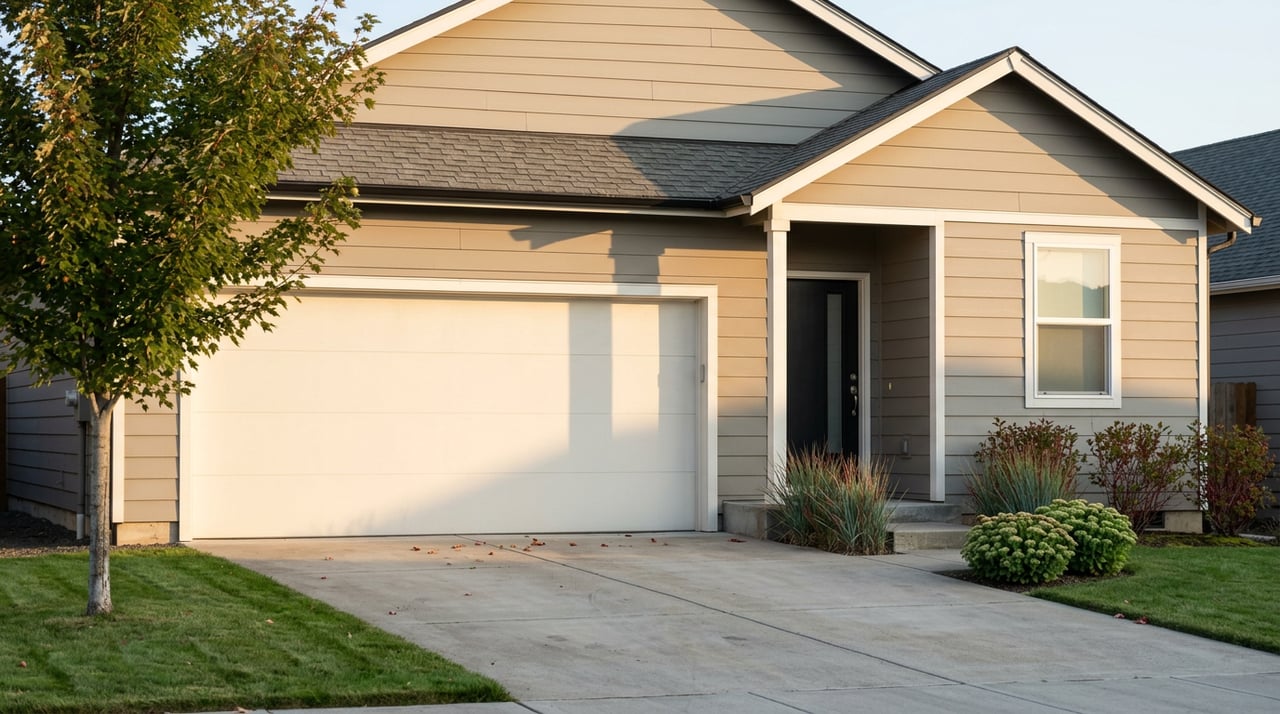
Huron is the county seat and a regional service center, so you will typically find more single-family options, including older bungalows, post-war ranch homes, and pockets of newer construction. There are also small apartment buildings and townhome-style options. Most city lots are served by municipal water and sewer, which can simplify maintenance and utility planning.
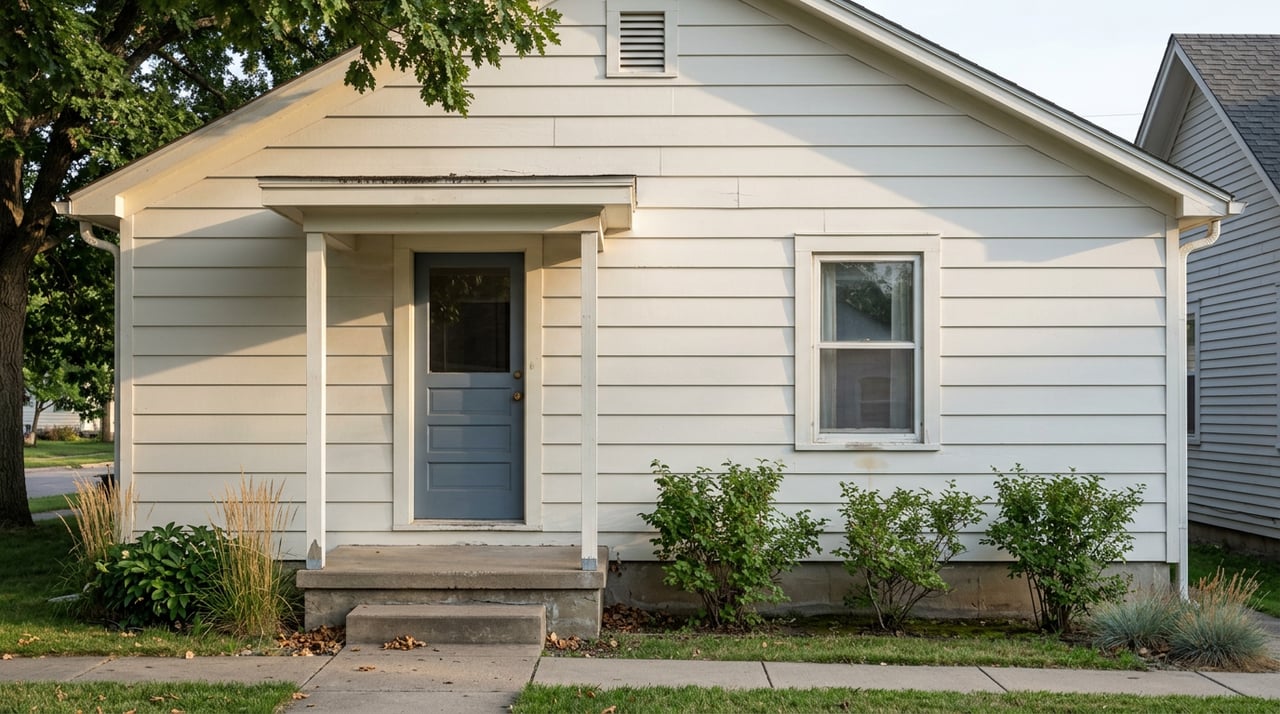
Nearby small towns usually have a smaller pool of homes for sale at any time. You will often see more single-story ranch homes, older farmstead houses, manufactured homes, and properties with larger lots or acreage. Many rely on private wells and septic systems. Inventory is thinner, so it helps to act quickly when a good fit appears.
When comparing prices, do not rely on a single number. Look at price per square foot, the median sale price for the last 6 to 12 months, average days on market, and months of supply. To make it fair, compare similar homes, such as 3-bed single-family homes with similar square footage and lot size, across Huron and a chosen nearby town. Your agent can pull recent comparable sales from the local MLS and confirm sale-to-list price trends.
Condition matters. Small-town housing stock may include more homes that need updates, while Huron tends to offer more move-in–ready options and easier access to contractors. Ask for a clear view of the year built, roof and HVAC age, window condition, and any known deferred maintenance before you form an offer strategy.
For background data on housing age, vacancy, and occupancy, you can review the U.S. Census Bureau’s American Community Survey. The ACS provides context that helps you understand local housing patterns over time. You can start with the American Community Survey resources for housing and commute data to get a baseline view.
- Explore American Community Survey tools for housing and commute trends: U.S. Census ACS
Commute and transportation
Driving is the primary way people get around in Huron and the surrounding towns. If you work in Huron, living in town usually means shorter and more predictable commute times. If you choose a small town or acreage, plan for a longer drive, and remember that straight-line distance is not the same as drive time.
Use mapping tools to check drive-time estimates during weekday mornings and evenings for any address you are considering. Be sure to test your routes in winter too. Rural roads can see drifting snow and ice, and county plowing schedules can affect your timing on storm days.
If you want to understand where residents live and work, the U.S. Census Longitudinal Employer-Household Dynamics program provides commuting flow maps and reports. These tools help you visualize how many people travel into Huron for work compared to nearby towns.
- Check commuting flows and patterns: LEHD OnTheMap
Also factor in school and childcare routes. Some small-town students are bused to schools in Huron or nearby districts. If you have regular medical appointments or activities, note travel time to clinics, sports facilities, and grocery stores.
Amenities and daily life
Schools. Huron schools offer a wider set of programs and extracurricular options. Smaller towns may have local elementary schools or consolidated arrangements across districts. Always confirm which district serves your address and review neutral, factual information from state education sources.
Healthcare. Huron has regional clinics and emergency care. Nearby towns may have local clinics with limited services, with ambulance transfers to Huron when needed. Consider distance and response time as part of your decision.
Grocery, retail, and dining. Huron offers the broadest mix of grocery, pharmacy, banking, and dining options. Small towns may have a handful of retailers or community stores, which can work well if you plan for weekly trips into Huron for larger runs.
Childcare and community programs. You will find more providers and program choices in Huron. Small towns often have community centers, churches, and volunteer-led activities, which can be a great fit if you want a quieter pace.
Recreation and culture. Huron typically hosts larger community events, fairs, and arts programming. Smaller towns offer community parks, halls, and quick access to outdoor recreation like lakes, trails, hunting, and fishing.
Broadband and utilities. In Huron, high-speed internet options are often more consistent, and most homes use municipal water and sewer. In small towns and rural properties, internet speed varies by provider and location, and utilities often include private wells, septic systems, rural electric co-ops, and propane heat. Confirm availability and speeds before you commit.
Check fixed broadband availability by exact address: FCC Broadband Map
Review state-level school information and district resources: South Dakota Department of Education
Ownership costs and practical factors
Property taxes vary by county and taxing district. The best way to compare is to pull recent tax bills for representative properties from the county assessor or treasurer. Your agent can request examples and help you read them side by side.
Utility costs differ by property type. Within Huron, you will typically see a simple municipal setup for water, sewer, trash, and natural gas or electric. In small towns and rural areas, plan for well and septic maintenance, propane tank fills, and rural electric rates. If a property has a septic system, ask for inspection records and permit history.
Insurance needs can vary. Rural properties may be closer to agricultural operations, more exposed to wind or hail, or farther from a fire station. Premiums can reflect those risks. Get quotes early in your process so you can budget accurately.
Maintenance and services are another key consideration. Confirm who plows your road, how trash service works, and what is covered by the city versus the county. Ask about contractor availability for repairs or renovations, since labor can be scarce during peak seasons.
Zoning and land use rules differ across towns and counties. If you want to add a shop, run a home business, or keep certain animals, check zoning, permits, and setbacks first. If you are considering acreage, verify floodplain status and any conservation easements or covenants.
Resale potential and market drivers
Resale value usually ties back to demand, inventory, and proximity to services. Homes in or near Huron often have a broader buyer pool because of access to jobs, schools, healthcare, and shopping. That can translate into steadier demand and easier resale when you are ready to move.
In smaller towns, limited inventory can work both ways. If local demand is steady and options are scarce, your home can hold value and attract motivated buyers. If a town has many vacant homes or slow turnover, prices can be more sensitive. Lot size and outbuildings can also narrow the buyer pool, which matters when you set expectations for time on market.
If you are comparing long-term outlooks, look at historical sale trends from the MLS, population changes in the American Community Survey, and school enrollment trends. Employment stability in healthcare, education, government, and manufacturing tends to support steady housing demand. Your agent can also check local economic development plans for projects that could affect jobs and housing over the next few years.
When Huron makes sense
- You want a shorter commute to Huron jobs and services.
- You prefer municipal utilities and simpler maintenance.
- You value more choices for schools, programs, healthcare, and childcare.
- You want stronger resale potential and a broader buyer pool.
When a small town fits
- You want a larger lot or acreage and more privacy.
- You are comfortable with wells, septic systems, and propane.
- You can accept a longer drive for work, school, and shopping.
- You want a quieter setting with close-knit community activities.
Your buyer checklist
Use this checklist to compare specific homes and towns side by side.
Market and price
- Pull recent comparable sales for similar size and age homes in Huron and your target town.
- Review current inventory, months of supply, and average days on market.
Housing specifics
- Confirm year built, roof, HVAC, windows, and any deferred maintenance.
- Note lot size, usable acreage, and any outbuildings.
Costs and obligations
- Verify the latest property tax bill and the tax rate for the district.
- Confirm utilities: municipal or well and septic, propane or natural gas, and estimated monthly costs.
- Request homeowners insurance quotes that reflect local risks.
Commute and transportation
- Map drive times during peak hours to work, schools, and key services.
- Ask about winter road maintenance and nearest snow-plowed routes.
Services and amenities
- Verify your school district, nearest hospital or clinic, and access to grocery and pharmacy.
- Test internet speeds at the property and confirm provider options.
Risks and regulatory
- Check floodplain status and any drainage history.
- Review well and septic inspection records and required permits for any updates.
- Confirm zoning rules for accessory buildings and home businesses.
Resale and demand
- Ask your agent about typical buyer profiles and recent demand in that town.
- Note any planned developments or closures that could shift demand.
How to use your agent’s expertise
Bring a short list of addresses that meet your needs, then ask your agent to:
- Pull 6 to 12 months of comparable sales in Huron and your target town for a fair price view.
- Show current active and pending listings and estimate months of supply.
- Confirm your school district and share recent state-reported data.
- Verify water source, septic condition, and permit history for each property.
- Provide cell service notes, internet provider options, and, if possible, a recent speed test at the property.
- Estimate typical closing costs and flag any transfer fees or special assessments.
You deserve a home that fits your budget and your life. If you want a clear, side-by-side comparison for Huron and nearby towns, connect with a local guide who knows both the data and the day-to-day. Reach out to Elevate Real Estate to walk through real MLS comps, utilities and zoning checks, and a plan that fits your timeline. Schedule a Consultation.
FAQs
What is the biggest housing difference between Huron and small towns?
- Huron typically offers more listings with municipal utilities and a mix of older and newer homes, while nearby towns often have fewer listings, more older ranch or farm-style homes, and more properties with wells and septic systems.
How can I estimate commute times around Huron year round?
- Use mapping apps to test peak-hour drive times for each address and consider winter conditions, then review commuting flow data for context with LEHD OnTheMap.
How do I verify broadband for a rural property near Huron?
- Search the exact address on the FCC Broadband Map and run a speed test onsite to confirm real-world performance.
What should I check about utilities outside Huron?
- Confirm water source and septic type, request inspection records and permits, estimate propane and rural electric costs, and ask about trash service and snow removal.
How can I compare schools for a specific address?
- Verify the assigned district with your agent, then review neutral, state-level information and district resources from the South Dakota Department of Education.