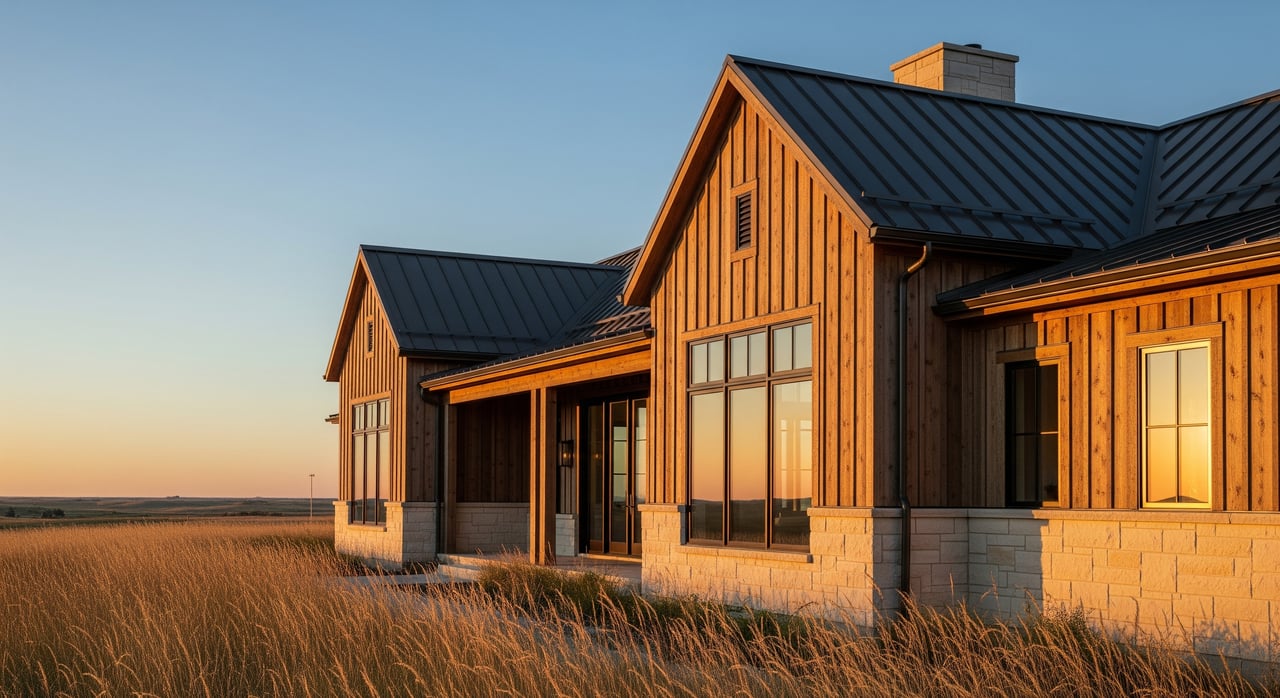
Buying a home in a small town like Iroquois comes with a few unique twists, especially when it comes to your inspection. You want to avoid surprises, understand what you’re buying, and keep your timeline on track. A clear plan for your inspection helps you do all three. In this guide, you’ll learn what inspections typically cover, how to schedule them in 57353, what rural items often show up in reports, and how to handle negotiations. Let’s dive in.
Why inspections matter in Iroquois 57353
A general home inspection is a non-invasive, visual check of the home’s accessible parts. The goal is to identify material defects, safety concerns, and items that may need maintenance or a specialist’s review. Inspectors report what they observe and often recommend further evaluation when needed.
It’s important to know what an inspection is not. Inspectors do not certify code compliance or guarantee future performance. They also don’t typically perform repairs. You use the report to make informed decisions and plan next steps.
In rural areas like Iroquois, inspections are just as vital as in bigger cities. The difference is timing and access to specialists. Fewer local inspectors and contractors can affect how fast you can schedule and how you negotiate after the report.
When to schedule and how long it takes
Inspection contingency timeline
Most buyers schedule the inspection during the contract’s inspection contingency period. Nationally, these windows are often 5 to 14 days, but your exact timing depends on your purchase agreement and what you negotiate. Protect your deadlines by booking quickly after your offer is accepted.
Booking in a small market
In Kingsbury County and nearby rural areas, inspector availability can be limited. Expect longer lead times and consider that specialists like septic inspectors or HVAC techs may need extra days to visit the property. If your preferred inspector is coming from a neighboring county, allow time for scheduling and travel.
Cost, travel fees, and what you receive
General inspection fees vary based on home size, age, and distance. Many single-family home inspections fall in the few-hundred-dollar range, and rural travel can push fees higher. Inspectors usually deliver a written report with photos and narrative within 24 to 72 hours, though some share a same-day summary and follow with the full report.
Plan for add-ons if you choose them. Separate fees are typical for septic evaluations, well water testing, radon, mold sampling, or specialized roof access. Ask about pricing and turnaround times up front so you can meet your contingency deadline.
What the report includes
Summary and major concerns
Most reports open with an executive summary that highlights major defects and safety items. This section helps you focus on what matters most, like electrical hazards, significant leaks, or failing systems.
Systems and areas covered
Detailed sections commonly include:
- Roof and attic
- Exterior, grading, and drainage
- Structural components and foundation (visible areas)
- Garage or carport
- Decks, porches, stairs, and railings
- Plumbing and water heater
- Electrical service, panels, outlets, and GFCIs
- Heating, cooling, and ventilation
- Insulation and attic ventilation
- Interior walls, ceilings, floors, doors, and windows
- Built-in appliances (basic operation checks)
- Crawlspaces or basements, including moisture observations
- Safety items such as smoke/CO detectors and handrail or guardrail concerns
Expect labeled photos and notes that categorize items by priority or recommendation type. This format helps you and your agent organize next steps.
Common phrases you’ll see
- “Further evaluation recommended” means a specialist should diagnose or verify a concern, such as a structural engineer or licensed electrician.
- “Repair recommended” or “maintenance item” is usually less urgent.
- “Immediate safety hazard” signals potential risk and often belongs at the top of your repair list.
- “Not inspected” or “inaccessible” indicates areas the inspector could not safely reach.
What inspectors don’t do
A general inspection is visual and non-invasive. Inspectors do not open walls or guarantee that hidden or intermittent issues will be caught. They generally do not test for radon, lead, asbestos, mold, or pesticide residues unless those services are contracted separately. Septic performance and drinking-water quality are also separate tests performed by specialists.
Rural items to expect around Iroquois
Septic systems and private wells
Many rural properties rely on onsite septic systems and private wells. Your general inspector may note visible components but will not perform a full functional test unless you order it separately. Common next steps include a septic inspection or pump-out record review, and well yield and water-quality testing. Build room in your timeline for these specialists.
Outbuildings and farm features
Barns, sheds, grain bins, and detached garages are common. Inspectors usually evaluate visible structural conditions and obvious safety concerns. Specialized equipment or agricultural systems are typically outside the standard scope, so you may need additional experts if these features are important to your plans.
Access, drainage, and site conditions
Driveways, culverts, and private road maintenance can influence daily use. Inspectors often note grading that sends water toward the foundation, erosion concerns, or tree and vegetation issues that may threaten structures. These items affect maintenance planning and, in some cases, negotiation.
Propane and fuel systems
In rural South Dakota, propane tanks or fuel oil systems are common. Inspectors will typically note the presence and visible condition. Specialized servicing or testing of tanks and lines is usually handled by qualified contractors.
Practical steps after the inspection
Prioritize and get estimates
Start with the big-ticket items. Focus on safety hazards, major structural or mechanical defects, and issues that impact habitability. If you plan to request repairs or a credit, get written estimates from licensed contractors. In rural areas, allow extra time for contractors to schedule site visits.
Repair, credit, or price reduction
You have several options when addressing material defects:
- Seller-performed repairs before closing
- Seller credit at closing
- Price reduction reflecting repair costs
- Escrow holdback for repairs after closing (if allowed by your lender and contract)
Decide which path fits your timing and comfort level. Credits often give you more control over the final repair quality, while seller repairs may help you move in with fewer tasks.
Escrow holdbacks in rural settings
When repairs are significant and contractor schedules are backed up, an escrow holdback can bridge the gap. The idea is to hold an agreed sum until the work is completed. Practices vary by lender and contract, so coordinate with your agent and lender early if this option might be needed.
Smart wording and timing
Be specific in your request. Reference the exact report item or photo, describe the issue and scope, and attach contractor bids when available. Submit requests within your contingency deadline. If a seller declines, your choices typically include proceeding as-is, seeking a different price or credit, or canceling under the contingency terms of your contract.
Buyer checklist
- Before the inspection:
- Book your inspector as soon as your offer is accepted.
- Decide on specialist tests: septic, well water, radon, chimney, structural engineer.
- Confirm travel surcharges and turnaround times for all services.
- During the inspection:
- Attend if you can. Ask about system operation and maintenance.
- Wear sturdy footwear and be ready for rural site conditions.
- Learn the locations of main shutoffs, the sump pump, and filters.
- After the inspection:
- Read the full report and prioritize major items first.
- Get written estimates from contractors for any meaningful repairs.
- Work with your agent to submit a clear, organized request on time.
Working with a local guide
A strong inspection strategy keeps your purchase moving and protects your budget. In a small market like Iroquois, timing, access, and specialist availability matter. You deserve a local advocate who understands the rural details, helps you coordinate schedules, and negotiates with a calm, fact-based approach.
If you’re planning a move in or around 57353, connect with our local team for guidance from offer to close. Schedule a Consultation with Elevate Real Estate to get a plan tailored to your home and timeline.
FAQs
How long do home inspections take in Iroquois?
- Most general inspections are completed in a few hours, and many inspectors deliver the written report within 24 to 72 hours depending on workload and travel.
What does a home inspection include for rural properties?
- Expect coverage of the home’s major systems plus visible notes on outbuildings, grading, access, and common rural items, with specialist tests for septic and wells usually ordered separately.
Do inspectors test septic systems and private wells as part of a standard inspection?
- Not typically. Full septic evaluations and well yield and water-quality tests are separate services performed by specialists.
What if the inspection finds major issues in 57353?
- You can request seller repairs, ask for a credit or price reduction, consider an escrow holdback when timing is tight, or cancel under your inspection contingency if allowed by your contract.
How should I prioritize my repair requests after the report?
- Focus first on safety hazards, major structural or mechanical defects, and any items that could affect financing, insurance, or habitability.
Are travel surcharges common for rural home inspections?
- Yes. Inspectors and specialists often add travel fees for remote properties, which can raise the overall cost and affect scheduling timelines.